

Why we humans should care about wild animal suffering — and what we can do about it.
Animals suffer daily in the wild
Of animals offspring die young
Awareness is where change begins
A lot of people view nature as beautiful. What they don't have in mind when they think about "Mother Nature" is the intense suffering of wild animals. Every day, billions of animals in the wild are eaten alive, starve to death, or suffer from terrible diseases.
People tend to overlook all this extreme suffering, and many of them have a romanticized view of nature.
"What they don't have in mind when they think about 'Mother Nature' is the intense suffering of wild animals."
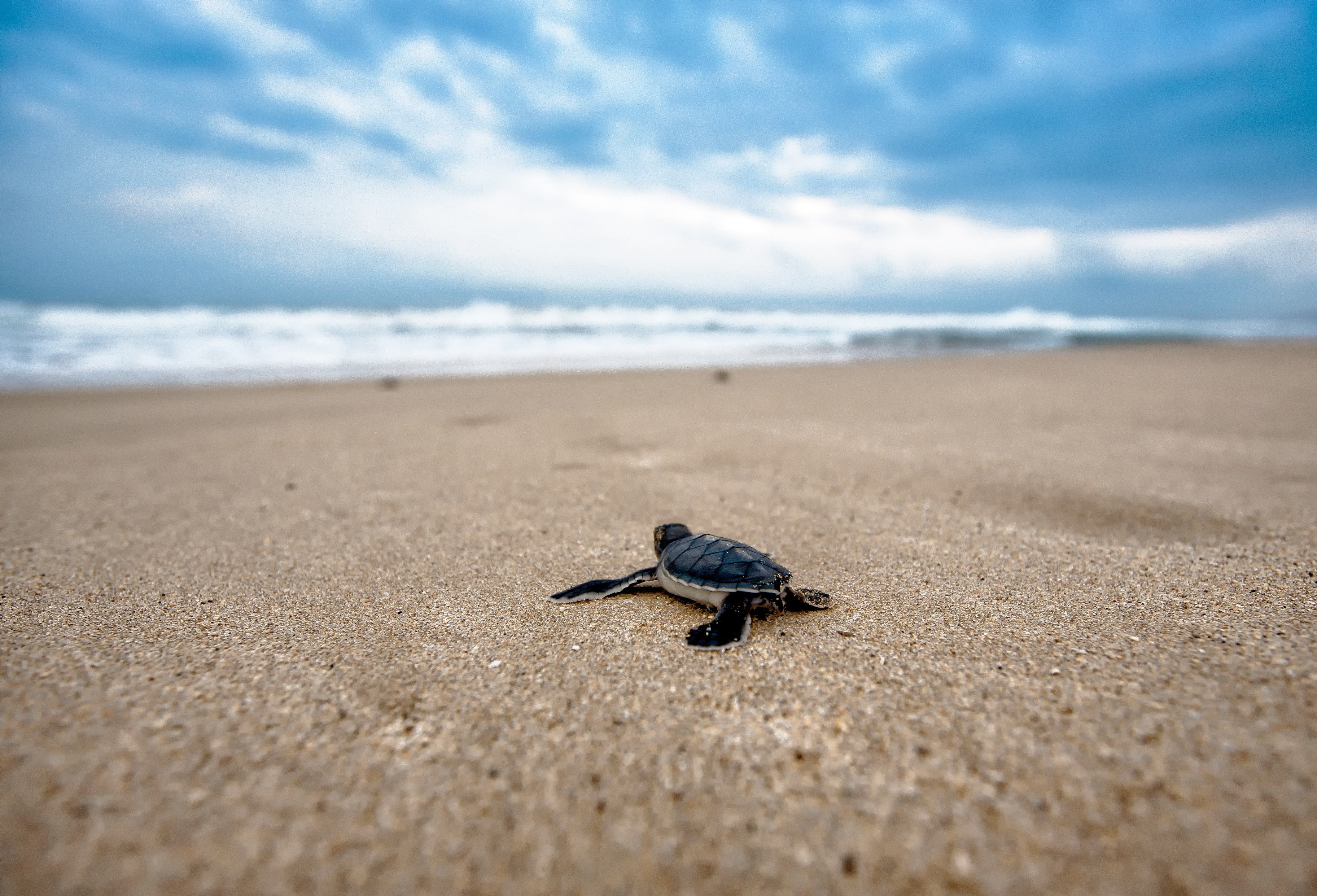
The image of nature most people carry is filtered. We only see the animals that survived and not those that didn't, even though they are the vast majority. We focus on survival and beauty, while ignoring the overwhelming suffering that defines the lives of most wild animals.
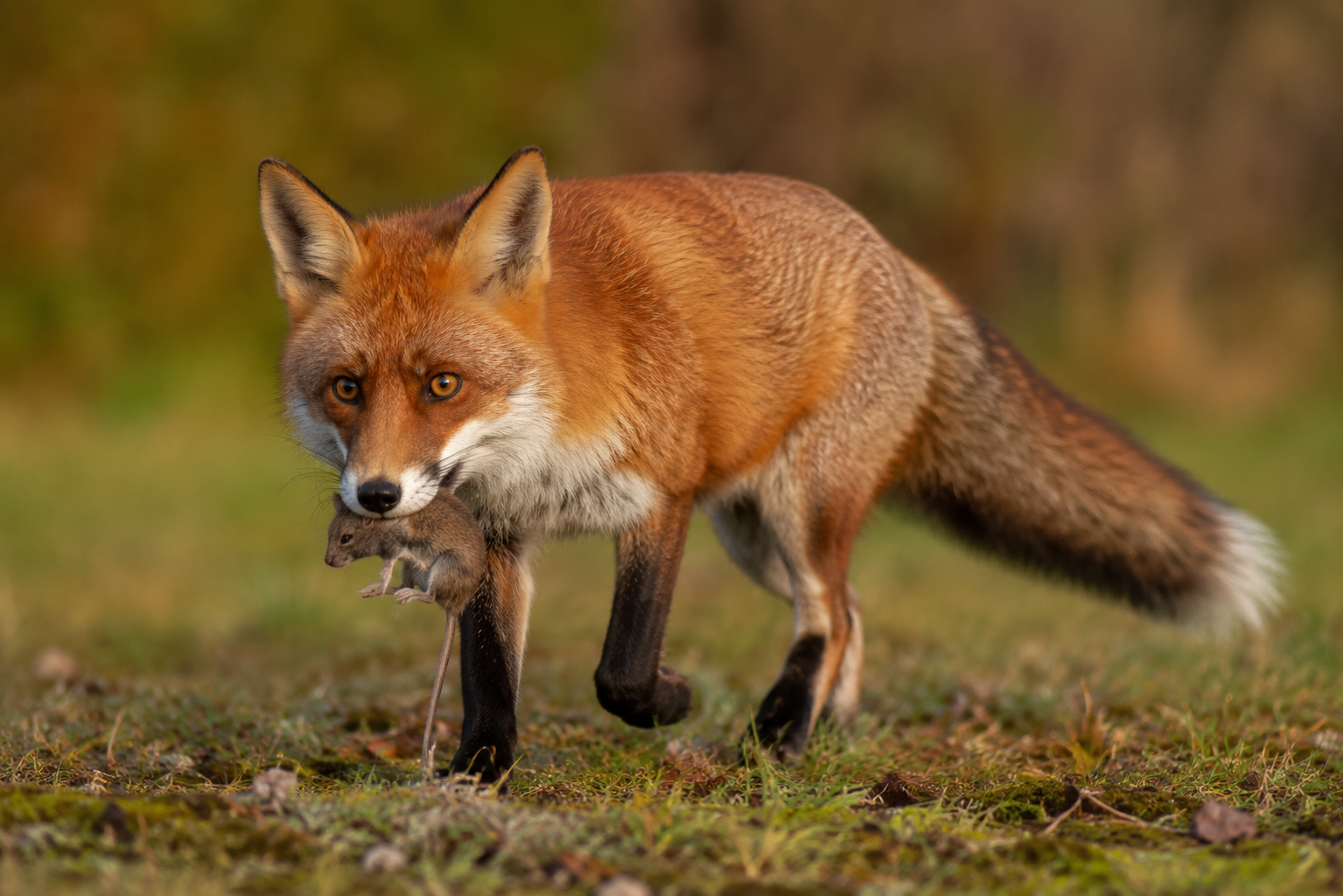
Billions eaten alive every single day
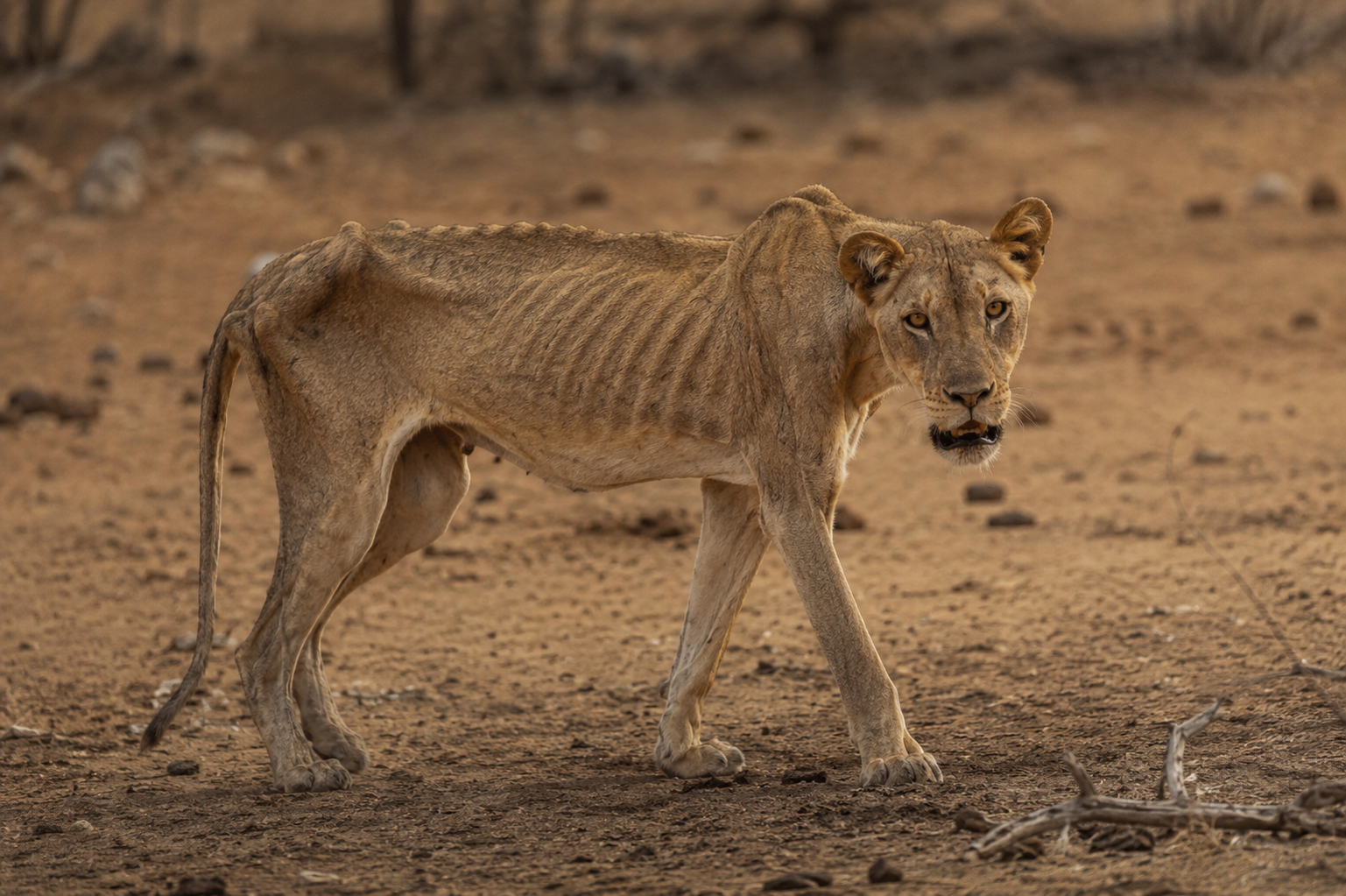
The slow, agonizing death of the hungry
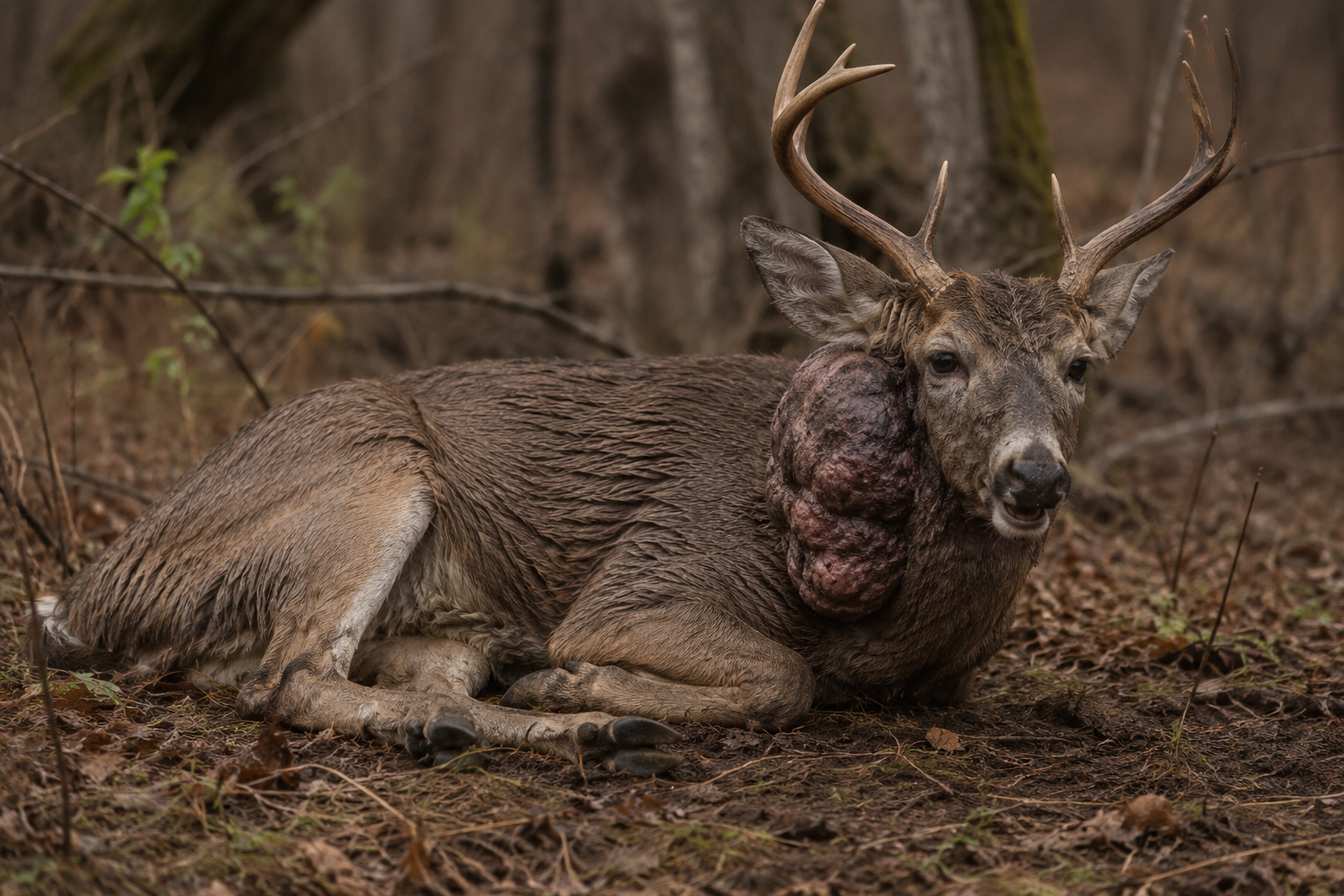
Terrible diseases without any relief

To understand why this intense suffering is so widespread, we can look at the work of Oscar Horta. He points out that most people's view of nature is biased because they focus on large mammals, which usually have high survival rates for their young.
In reality, the vast majority of animals are what biologists call 'r-strategists'. These species, such as many fish or amphibians, produce thousands of offspring, but nearly all of them die shortly after coming into existence.
"For the majority of these individuals, life consists of nothing but hunger, fear, and a painful death."
This reality suggests that, statistically, there is far more suffering than happiness in the wild.
R-strategist species produce thousands or even millions of offspring. The vast majority — often over 99% — die within days or hours of birth.
of r-strategist offspring
die before maturity
We humans should look for ways to reduce this suffering. For instance, we could implement large-scale vaccination programs for animals in the wild to combat diseases that cause intense suffering.
Large-scale vaccination programs for wild animals could combat diseases that cause intense, widespread suffering across entire populations.
Even those of us who are not scientists can still make a significant impact. The first step toward change is to create awareness. By talking about wild animal suffering and challenging the romanticized view of nature, we help to bring this issue into the public eye.
Change starts with a shift in our collective mindset. When enough people care, there will also be people who will find solutions.
Funding and supporting research into wild animal welfare helps us understand the scope of the problem and develop effective, scalable interventions.
Explore these organizations and resources to deepen your understanding of wild animal suffering and what can be done.
A research organization working to understand and improve the lives of wild animals through science and advocacy.
wildanimalinitiative.orgOscar Horta's academic work on wild animal suffering, including his influential papers on the prevalence of suffering in nature.
animal-ethics.orgA research organization that conducts critical research to inform policymakers and philanthropists about pressing issues, including wild animal welfare.
rethinkpriorities.orgAn introduction to utilitarian philosophy and its implications for how we treat all sentient beings, including wild animals.
utilitarianism.netCommunity discussions and research summaries on wild animal welfare from the Effective Altruism Forum.
forum.effectivealtruism.orgA community dedicated to reducing suffering as the highest moral priority. Join their activities and connect with others who care.
negative-utilitarian.orgWe are launching a bold awareness campaign and rely on your donations to fund outreach like stickers, posters, billboards, and our website—helping us reach more people and reduce wild animal suffering.
gofundme.comJoin the Negative Utilitarian Society community on WhatsApp to discuss, collaborate, and take action to reduce suffering.
Join now →When enough people care, there will also be people who will find solutions. Start by sharing what you've learned. Challenge the romanticized view of nature. Be a voice for those who cannot speak.
The Negative Utilitarian Society (NUS) is a community of people dedicated to reducing suffering in all its forms — including the often-overlooked suffering of wild animals.
By joining our WhatsApp group and Instagram channel, you connect with like-minded individuals, stay informed about ongoing initiatives, and take real action to reduce suffering in the world.
Join WhatsApp GroupOpen to everyone who wants to reduce suffering in the world.
Discussions on Suffering Reduction
Engage with others on strategies to reduce wild animal suffering and other forms of suffering.
Events & Initiatives
Stay updated on NUS activities, campaigns, and opportunities to get involved.
Shared Research & Reading
Discover papers, articles, and resources curated by the community.
A Supportive Community
Connect with people who share your concern for reducing suffering in all its forms.